
Fantasy anthologies are one of my favorite ways to sample new voices without committing to a long series. I like the quick hit of a complete idea, then the option to follow the author if a story lands. It also scratches that “one more chapter” itch, because the chapters are basically self-contained worlds. And there’s something kind of addictive about the variety. One story can be cozy and funny, the next one can get dark or tender, and you still feel like you’re in the same broad realm of magic and myth.
I also love how anthologies reward attention in a different way than novels. A novel invites you to sink in and live there for a while. A short story asks you to show up immediately, to listen closely, and to trust the writer to get you somewhere before the page count runs out. When it works, it feels like a magic trick. The ending lands, you blink, and suddenly you’re thinking about it again later while doing dishes.
Below are the anthologies that cover a wide range, from competition winners and big annual “best of” picks to theme-focused collections that put fresh spins on folklore and classic fantasy beats.
The Short Fantasy Story I’ll Never Stop Thinking About
My all time favorite short fantasy story is The Ones Who Walk Away from Omelas.
It’s not “fantasy” in the swords-and-dragons sense, but it uses that fairy-tale distance perfectly. The setup looks simple on purpose, almost like the story is daring you to accept it. A city that’s almost too good to be true, a happiness that feels clean and effortless, and then the price tag, hidden in plain sight. The first time I read it, I felt my brain trying to negotiate with it, like maybe there’s a loophole, maybe the narrator is exaggerating, maybe it’ll turn into a rescue story. It doesn’t. It just sits there, calm and unmoving, and asks what you’re willing to accept if the reward is comfort.
What gets me is the ending gesture. Not a revolution, not a moral victory, just a quiet choice that’s somehow heavier than a big dramatic act. The people who leave aren’t celebrated, and they aren’t explained. They just walk away into the dark, which sounds like nothing until you realize how hard it is to give up belonging. Every time I return to it, it feels like it’s not judging me, but it is watching me. And that’s why it’s stuck with me for years.
What Are The Top Fantasy Anthologies?
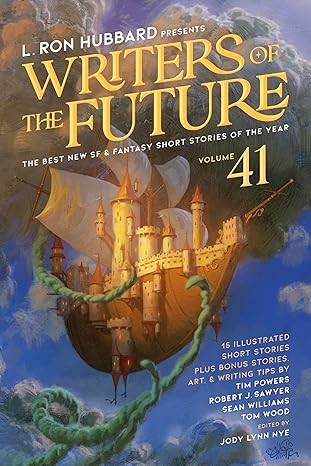
L. Ron Hubbard Presents Writers of the Future Volume 41, by L. Ron Hubbard
If you want variety plus the feeling of watching new talent break out, this one hits that sweet spot. It collects debut stories and illustrations from the most recent contest winners, then backs them up with extra pieces from well-known names who also judge the competition. That blend is the hook for me, because you get fresh energy but also a few “steady hands” that show what polished short fiction can look like at full speed.
The reading experience is fast and changeable in a good way. One story might lean into wonder and weirdness, then the next hits with a tighter plot and a sharper twist. I also like that the illustrations make it feel like a real showcase, not just a pile of text. If you are in a slump, this is the kind of anthology that can restart your momentum.

Magic in the Melanin, by Melanin Library (2025)
This anthology keeps its promise of centering Black characters and Black imagination across every story. What I like here is the range of mood. You get stories that take their time with relationships and place, and you also get stories that come in hot with conflict and high stakes. It reads like a statement of breadth, like it is deliberately showing how many different directions Black fantasy can go.
It is also a solid “new author radar” book. If you read fantasy a lot, you know the feeling of seeing the same names over and over. This one is a clean way to find writers you have not tried yet, then make a note of who you want to chase down next. And because the anthology is built around a clear mission, the collection feels focused.

Artifice & Access, by Ella T Holmes (2025)
This one is for anyone who loves classic fantasy ingredients but wants them handled in a more human way. The stories center disabled and chronically ill characters as the heroes, not as side notes, and that changes how quests, magic, danger, and “strength” show up on the page. Instead of the usual “push through pain” framing, the stories tend to treat adaptation, care, and honesty as part of the heroic toolkit.
I also like how this kind of anthology makes familiar fantasy setups feel new again. When the main character moves through the world differently, the world has to respond differently, and you start noticing all the assumptions baked into typical fantasy adventures. Even when a story is small and personal, it still feels like it is doing big work, because it expands what a fantasy protagonist can be.
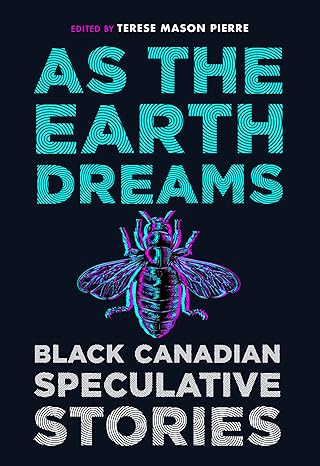
As the Earth Dreams, by Terese Mason Pierre (2025)
This collection leans speculative, but it has plenty for fantasy readers, especially if you like stories where the world feels slightly off-kilter and meaningful details build slowly. The writing tends to trust the reader, so you are not spoon-fed lore. You get voice first, atmosphere second, and then the bigger idea reveals itself once you are already invested.
If you like anthologies that feel cohesive without being repetitive, this is a good fit. The editorial hand is clear, and the mix of tones makes it easy to keep reading even if one story is not fully your thing. It is the kind of book where you finish a story, pause, and realize you are still thinking about one line or one image five minutes later.
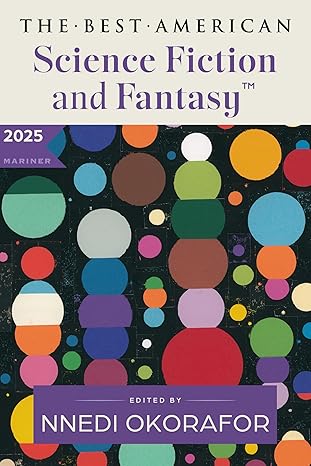
The Best American Science Fiction and Fantasy 2025, by Nnedi Okorafor (2025)
This is the “big annual snapshot” pick. Even though it is science fiction and fantasy together, it works really well for fantasy readers who want to see what short fiction is doing right now, across styles and subgenres, in a curated form. I treat books like this as a way to check the pulse of the field, not just to read for plot.
It is also a practical anthology if you care about craft. You can pay attention to how different writers open a story, how they handle turns, and how they stick a landing in limited space. Even when a piece is more experimental, it can still be useful, because it shows what risks look like on the page.

Tavern Tall Tales, by Baker D. Buchanan M. Buchanan Cox Pool (2025)
If you like the idea of a “magazine yearbook” where a bunch of different writers share the same general campfire vibe, this is a fun one. The tavern framing is a natural fit for short fantasy, because it gives you permission to jump between voices and styles without needing everything to connect. One story can feel like a folktale, the next can feel like a joke told with a straight face, and it still makes sense as a night of tales.
This one is also easy to dip into. You can read a story between tasks, then come back later without losing momentum, which is exactly what I want from an anthology when my attention span is cooked. It is the kind of book I keep on my phone or next to the couch for those small reading windows that would otherwise get wasted.
Final Thoughts on the top Fantasy Anthology Books
I keep coming back to anthologies because they feel like a small map of what people are dreaming about right now. Not in a trend-chasing way, more like a quiet snapshot of our shared worries and hopes, slipped into dragons, spells, talking doors, and impossible bargains. When you read a bunch of different voices back to back, you start noticing the recurring questions underneath the magic. Who gets to be the hero. What power costs. What we owe each other when the world is unfair, or when the rules were never written for us.
And there is something comforting about the format itself. A single story can be intense, strange, even devastating, but it also ends. You can close the book, breathe, and carry one idea with you instead of a whole sprawling saga.
Sometimes that is exactly what reading is for, not escape, but a way to test a feeling safely. To ask, what would I do if the curse was real, if the monster was me, if the miracle had conditions. And maybe the best part is realizing you are not the only one asking.
Find more classic vibe fantasy reads in our sword and sorcery fantasy book collection.


My profession is online marketing and development (10+ years experience), check my latest mobile app called Upcoming or my Chrome extensions for ChatGPT. But my real passion is reading books both fiction and non-fiction. I have several favorite authors like James Redfield or Daniel Keyes. If I read a book I always want to find the best part of it, every book has its unique value.






 English (US) ·