

Shamanism refers to spiritual practices that centre on a shaman (from a Manchu-Tungus word “šaman” meaning “the one who knows”) who is capable of entering altered states of consciousness for the purposes of healing, communication with the unseen world, etc. Below are seven great books on shamanism, a practice that remains misunderstood. Some of the books below are quite introductory, while others delve into certain intriguing aspects associated with the ancient practice.
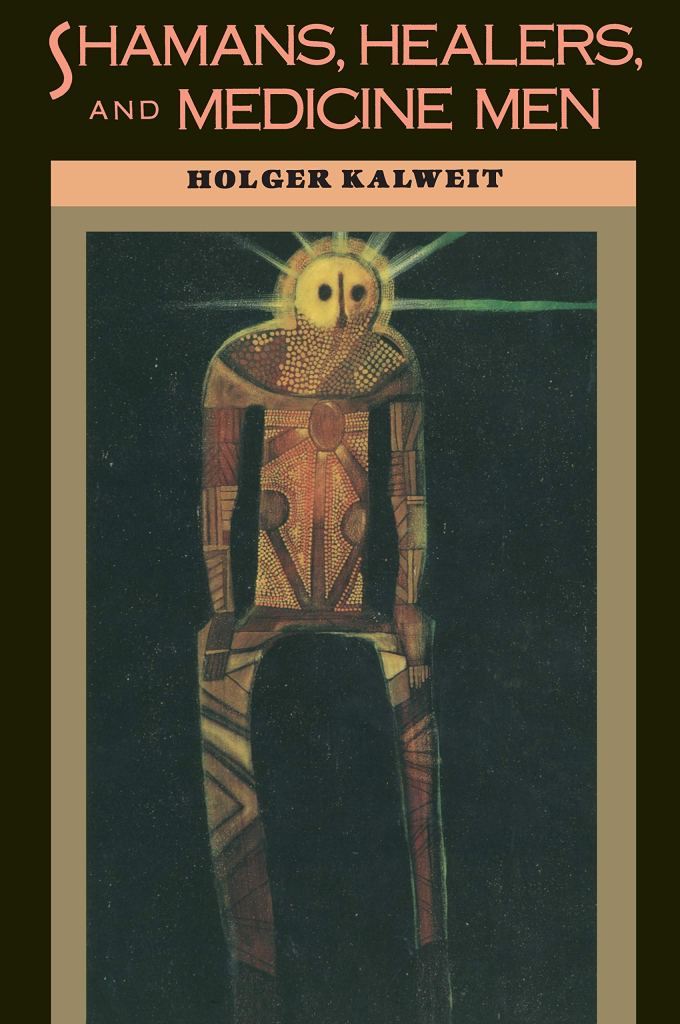
I. Shamans, Healers, and Medicine Men by Holger Kalweit
In my review, I called this book by eminent German ethnologist Holger Kalwait “comprehensive, endlessly perceptive, & inspiring.” Kalwait impressed me with the depth with which he tackles shamanism and its concepts, and with the sheer number of tribal cultures he gives as examples. The author not only provides detailed explanations of shamanic training, testing, competitions, and healing practices, but also ties them to our innate humanity, and the meaning of consciousness and myth.
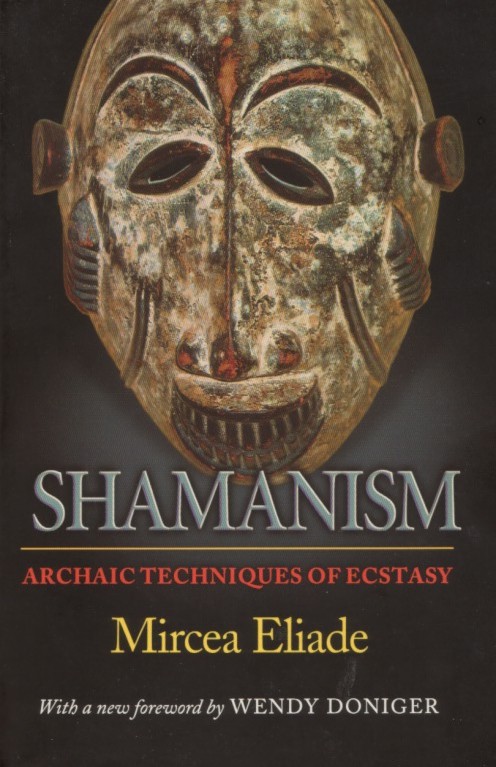
II. Shamanism: Archaic Techniques of Ecstasy by Mircea Eliade
Mircea Eliade (1907-1986) was a Romanian historian and scholar who devised new ways of looking at religious and spiritual experiences, such as through his original theories of hierophany and the eternal return. Shamanism: Archaic Techniques of Ecstasy presents one of the earliest and most systematic accounts of shamanism around the world, from Siberia and India, to South America and Oceania, demystifying many things associated with the practice, its origin and beliefs.

III. Dreamtime and Inner Space: The World of the Shaman by Holger Kalweit
As the first book above, Kalweit focuses here on different aspects of shamanism, but, this time, specifically on the presentation of the realm of the dead, sickness and initiation procedures in the shamanic tradition: “Every sickness is an attempt at healing and every healing an attempt to escape from the everyday neurosis of ordinary consciousness so as to arrive at a more subtle and, in the last resort, superhuman form of perception” [Kalweit, Shambhala Publications: 89]. Short chapters are also devoted to magic songs, hallucinogenic plants, and to the idea of the loss of power in the shamanic tradition. This is a choppier book than Shamans, Healers, and Medicine Men above, but is still insightful.
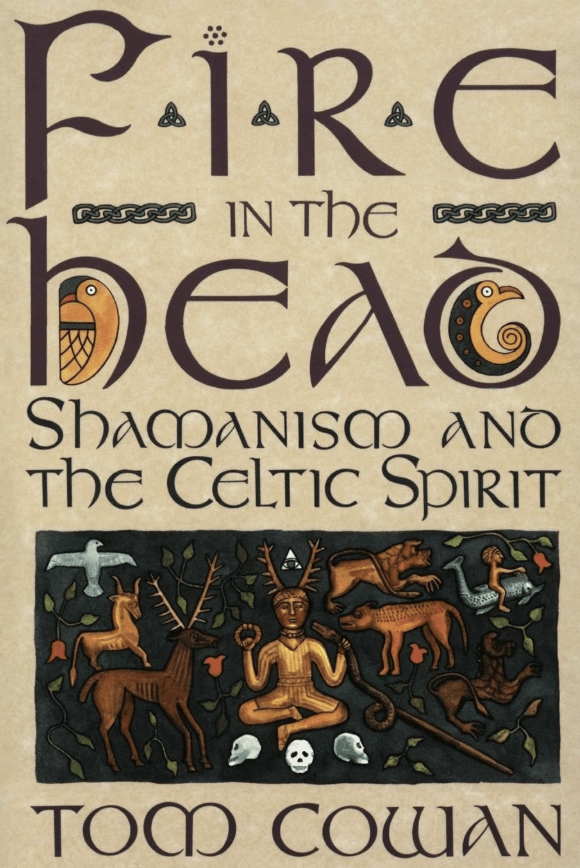
IV. Fire in the Head: Shamanism and the Celtic Spirit by Tom Cowan
This fascinating book is about Celtic shamanism, and the parallels that exist between shamanism of various cultures and regions of the world, and Celtic traditions and myths. For example, the author presents similarities between an old Celtic formula for casting spells and key elements of shamanism, and shows the ways in which the shaman’s storytelling methods that use mythopoetic language to heal mirror Irish and Welsh storytelling techniques. The chapter on the convergence between classical elements of shamanism and the story of the Search for the Grail is particularly intriguing. The book does jump around rather chaotically as it focuses on related, but not necessarily well-connected topics, themes and myths, but this is still a persuasive and enjoyable account of the inter-connectedness of spiritual beliefs and early religious practices.
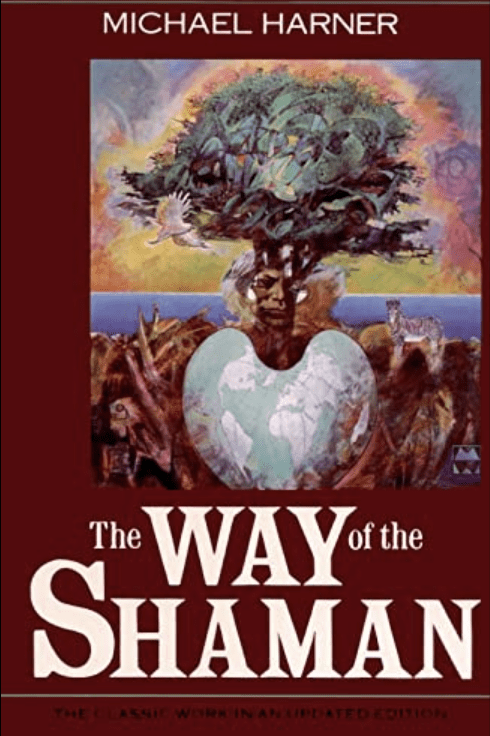
V. The Way of the Shaman by Michael Harner
A classic of the genre, The Way of the Shaman is a highly influential book that explains shamanism clearly and compellingly. Michael Harner (1929-2018) was a highly respected anthropologist who pioneered direct experimentation and first-hand “experience” of shamanism, including promoting the use of drums to enter altered states of consciousness. The book elucidates on the role of a shaman (who is both a healer and a seer operating in two distinct realities), power animals and shamanic journeying, providing plenty of examples.
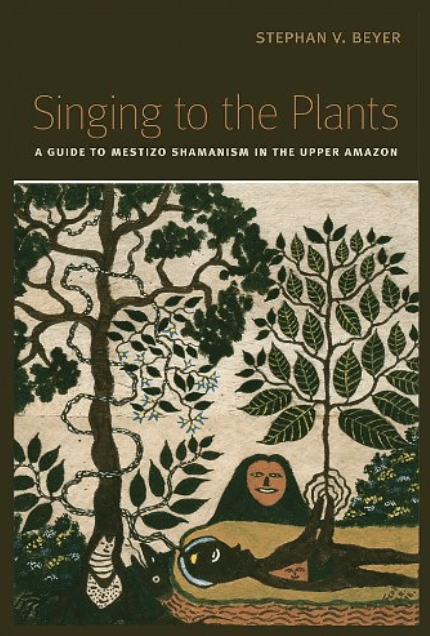
VI. Singing to the Plants: A Guide to Mestizo Shamanism in the Upper Amazon by Stephan V. Beyer
In this book, Stephan Beyer focuses on Amazonian plant medicine, and, in particular, on the use of ayahuasca in shamanism, drawing on first-hand experience and ethnographic fieldwork. The book is similar to Luis Eduardo Luna’s Vegetalismo: Shamanism Among the Mestizo Population of the Peruvian Amazon, but unlike it, Beyer’s work is broader and more accessible, emphasising the dietary and medical sides of shamanic rituals, its ambiguous nature, and talking about the special relationship between the practitioner and the plants, for example, explaining the use of magic songs in rituals.
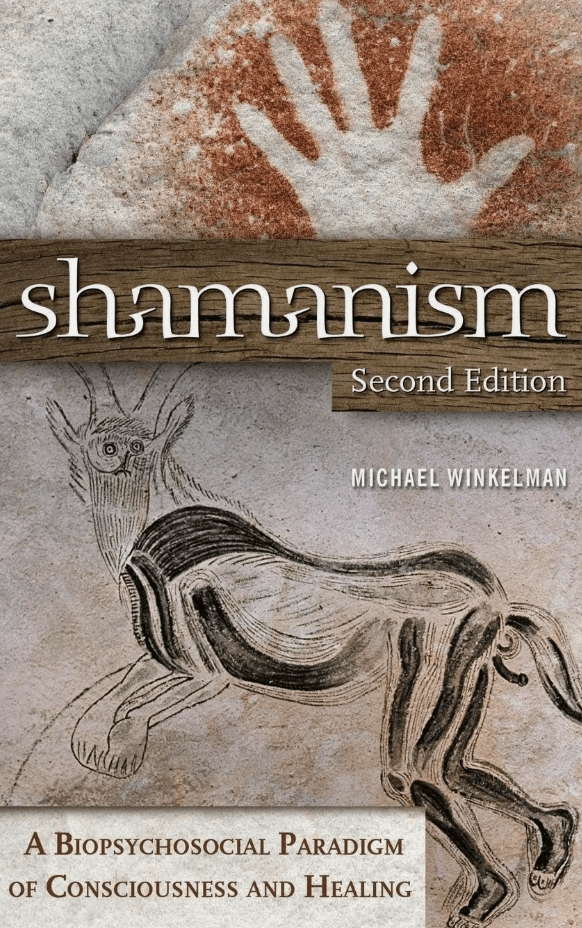
VII. Shamanism: A Biopsychosocial Paradigm of Consciousness and Healing by Michael Winkelman
This is a very comprehensive book on shamanism and how its practices are “not strictly cultural but are structured by underlying, biologically inherent structures”. It looks at shamanic consciousness, and alterations of consciousness central to shamanism, and argues that rituals induce access to different levels of consciousness, which in turn enhances adaptation and promotes healing. The book is academic, but insightful, with the main thesis being that shamanic principles and traditions are inherently tied to our humanity, common biology and evolution, and not just part of our shared culture. Winkelman also argues that rituals have always had the special healing power, and, thus, were vital for maintaining the well-being of the individual and community.










 English (US) ·