
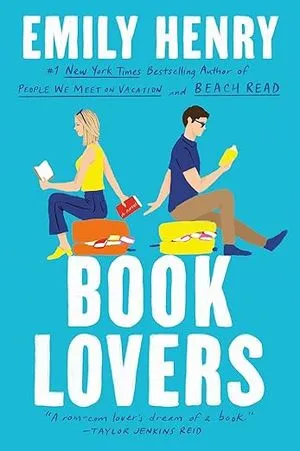
Book Lovers by Emily Henry
This romance fiddles with the small town trope in such a fun and very meta way. Again and again, Nora has found herself cast as the big city ex: her boyfriends leave when they fall in love with other women in small towns. So her sister suggests a month-long trip to Sunshine Falls to have a typical small town romance heroine’s experience, including picnics in meadows, romantic camping trips, and even skinny dipping. Nora meets and starts dating a handsome local carpenter, but she also discovers that a grumpy book editor she knows from NYC is in town helping his parents run the town bookstore. Could she have gone all the way to North Carolina just to fall for a man from the big city? It is my favorite Emily Henry romance, and I will never get tired of rereading this one.

For Real by Alexis Hall
Laurence is a successful doctor in his late thirties, and he is still emotionally scarred from his last breakup six years ago. He was once active in BDSM circles as a submissive, with his partner and in group settings. But lately, he’s not really interested in sex—or love. Then he meets Toby, a young, inexperienced man who knows he wants to be a dominant, but he doesn’t know where to start. Laurence feels pulled to teach Toby how to step into the role. But while he’s able to give up control during sex, Laurence doesn’t know if he can open his heart to love again. This BDSM, age gap romance really goes against reader expectations by having the submissive character be older, more knowledgeable, and more powerful.
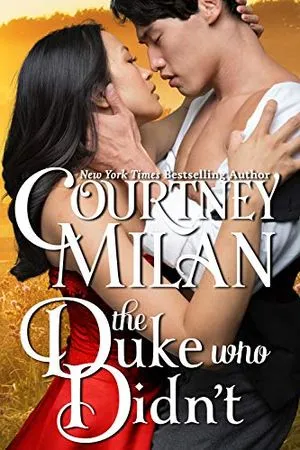
The Duke Who Didn’t by Courtney Milan
Since Chloe’s first love, Jeremy, disappeared years ago, she has no time for love or other distractions. All she wants is to turn her father’s delicious hot sauce recipe into a successful business. But now he’s back, and besides explaining his prolonged absence, he also needs to tell her he’s a secret duke! The tropes of friends to lovers and secret identity are strong within the book. But it’s actually the only one bed that Courtney Milan subverts in an interesting and empowering way. This is a (small) spoiler, so feel free to skip. Chloe and Jeremy need to stay at a crowded inn. But when the innkeeper informs them they have two rooms available, Chloe takes destiny into her own hands. She insists that they only have one room free. It’s a lovely wink and nod to romance readers, while remaining an authentic turning point within the story.

The Winter Companion by Mimi Matthews
A disabled side character that highlights one of the main characters’ trauma is a trope that goes far back in romance. This trope usually completely desexualizes the disabled character—or they only become a potential love interest once they are magically cured. At the beginning of Mimi Matthews’s Orphans of Devon series, Neville fits this trope. He has a severe speech impediment from a near-death experience he and the hero survived as children. Neville is portrayed as kind, loving to animals, and completely dependent on others. But the final book in the series adds nuance to Neville’s character by casting him as the leading man. Now, we finally get to see the real Neville, through his perspective and that of Clara, a lady’s companion to an old woman visiting his friend’s estate for Christmas. We find out Neville is incredibly intelligent, financially independent, and, perhaps most importantly, super hot! While he will never be “cured” of his speech impediment, he’s definitely love interest material.

Rafe: A Buff Male Nanny by Rebekah Weatherspoon
The nanny/governess trope in romance has been around since Jane Eyre. It’s a highly gendered trope that traditionally features a younger, less powerful heroine who proves herself through taking care of the wealthy, powerful, often grumpy hero’s children. Gender flipped tropes aren’t always interesting to me. But in this case, the author goes against the trope’s expectations to make some big points about gender as a theme. Rafe is a perfect hero for this scenario because he has many traits society has deemed masculine, but he is a beautiful caregiver to the heroine’s twin girls. And he’s devoid of toxic masculinity to boot! The fact that the book also discusses interracial dating dynamics adds to the thematic questions of power and privilege within a relationship.











 English (US) ·