
For nearly two decades now, historians have been debating whether it is even possible to write the history of American slavery. Can an accurate story of a system of oppression be derived from sources created and preserved by the oppressors? In many ways it is a surprising controversy. For the generation of American historians working after the emergence of the mainstream civil rights movement in the mid-1950s, slavery studies represented perhaps the most exciting field of American historical scholarship, attracting an audience of general readers as well as the attention of prominent academics. Books about slavery were discussed in popular magazines and featured on the nightly news. Innovative methodologies, including demography and quantitative analysis, folklore, material culture, oral history, and family reconstitution opened new windows into the past. At the same time, changed assumptions about racial equality made the “moonlight and magnolias” South of Gone with the Wind and most earlier studies of slavery obsolete. Historians began to construct a rich and sobering narrative of the lives of both enslavers and enslaved, as well as a portrait of the system that bound them togethe...
Related

SACRED BETRAYAL
12 hours ago
4
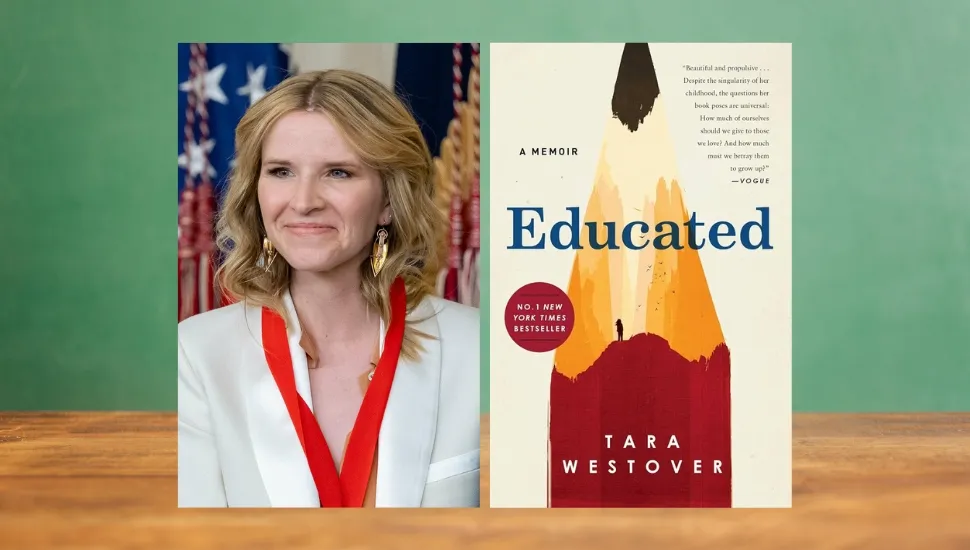
Tara Westover to Publish New Memoir in 2027
15 hours ago
4

Can Resistance Be Copied?
21 hours ago
2

Mother Country
21 hours ago
2

Flow Chart of Paris
21 hours ago
2
Popular

FAKING FOR NOW
3 weeks ago
51
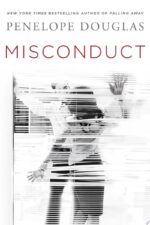
Misconduct by Penelope Douglas
3 weeks ago
50
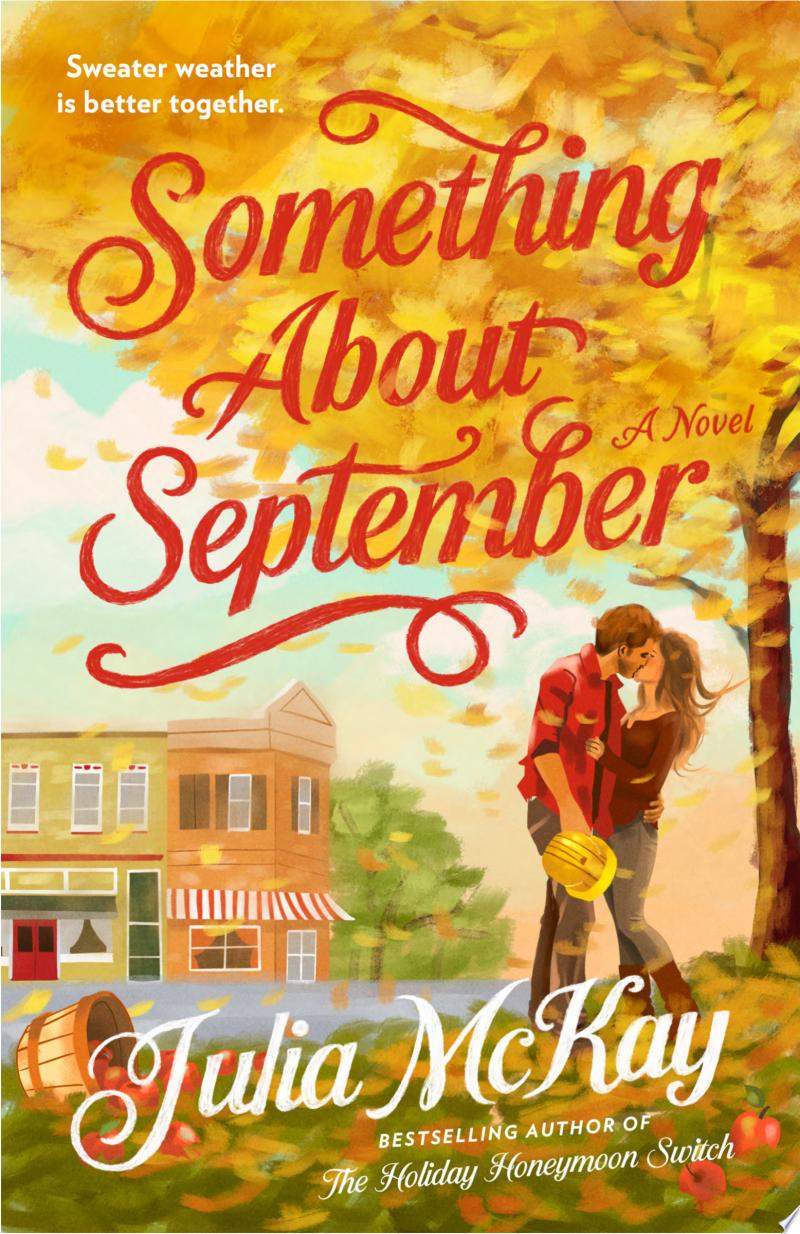
Something About September by Julia McKay
4 weeks ago
50

Wonderland by Jennifer Hillier
3 weeks ago
47

HYSTERIA AT THE HISTORICAL SOCIETY
3 weeks ago
47

‘You’ll Never Catch Him!’
2 weeks ago
47

Expatriate Dreams
2 weeks ago
46

The Other Donald
3 weeks ago
46

Historical Romances & a Mystery
4 weeks ago
46

Braving the Labyrinth
3 weeks ago
46
 English (US) ·
 © Clint's Books 2026. All rights are reserved
