

There’s a common misconception that disabled people don’t have our own culture. In fact, we do, but disability culture is more of a patchwork quilt of many different cultures, each with its own experiences and traditions. d/Deaf people are no exception. They have their own communities, histories, forms of artistic expression, and a wide array of languages. Like all writers, d/Deaf authors’ experiences inform their work, meaning their stories are just as unique, vibrant, and complex as anyone else’s.
Systemic ableism means d/Deaf writers’ work is still undervalued and underappreciated. The Read Harder Challenge’s purpose is to help readers assess their reading habits and fill in any gaps they might have there. Today, we’re featuring a range of d/Deaf authors writing in a wide assortment of genres and types of literature. From d/Deaf poetry to a nail-biting thriller, here are a few books that will satisfy Task #11 in the 2026 Read Harder Challenge.
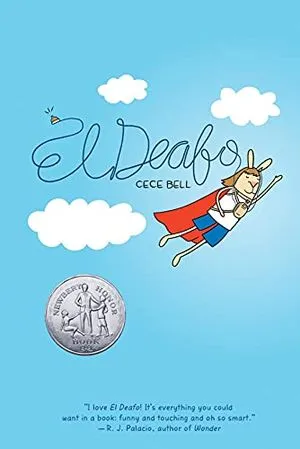
El Deafo by Cece Bell
If you’re completing the Read Harder challenge with a kiddo in your life, El Deafo is perfect. It’s a graphic novel that features the author’s experience as the only Deaf girl at her school. For Cece, it’s quite the adjustment when she moves from her all-Deaf school to her new one, but on the first day, she realizes her hearing aid can pick up teachers’ voices from all around the school. She has a superpower! El Deafo went on to win the Vermont Golden Dome Book Award, was a Newbery Medal Winner, and is now an animated series on Apple+.
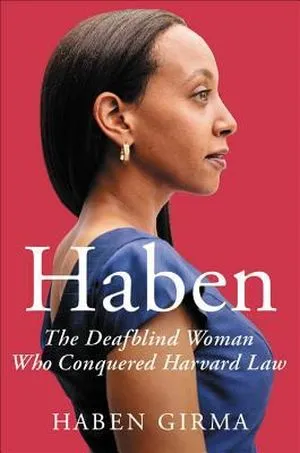
Haben: The Deafblind Woman Who Conquered Harvard Law by Haben Girma
In her must-read memoir, disability rights advocate Haben Girma tells how she became the first DeafBlind person to graduate from Harvard Law School. The daughter of Eritrean immigrants, Girma also describes her experience of traveling the world and then attending law school, including her innovations in text-to-braille technology.
All Access members, read on for more recommendations!

The Quiet Ear by Raymond Antrobus
Raymond Antrobus grew up as a biracial kid in East London. When he was six, doctors realized he was deaf. Antrobus couldn’t hear everyday sounds like whistling kettles, alarms, and some people’s voices. When he went to school, he hated having to wear his hearing aids. Often, adults and kids alike doubted he was deaf. “But you don’t look deaf,” they’d say. The Quiet Ear is a portrait of a deaf poet coming into his own. While the memoir is slim, Antrobus’s words create a deep impression of a young man coming-of-age and his acceptance of his own identities through his love of language.

Mother Tongue by Sara Nović
When Sara Nović failed her school’s hearing test, her world—her sense of self—was turned upside down. For a while, she tried to hide her deafness from the hearing world, but after she discovered the deaf community, she found a warm and welcoming space that accepted her as she was. She didn’t have to pretend anymore. In this must-read memoir, Nović challenges the systems that plague deaf and disabled Americans while also celebrating her community’s strength and resilience in the face of ongoing marginalization.

Sounds Like Home: Growing Up Black and Deaf in the South by Mary Herring Wright
Originally published in 1999, Sounds Like Home tells the story of Mary Herring Wright, a Deaf Black woman growing up in rural North Carolina. The 20th anniversary edition includes an introduction by Joseph Hill and Carolyn McCaskill, who note that this text and the accompanying photos are some of the only documentation from segregated Black Deaf schools.

You Never Know by Connie Briscoe
In this thriller, we follow Alexis Roberts, a woman who is hard of hearing and uses cochlear implants. When someone breaks into her house and tries to assault her, Alexis can neither see nor hear her intruder in the darkness. Now she feels even more isolated and alone in her house. Nothing feels safe, but she’s determined to find out the identity of her attacker, even if it’s the last thing she does.
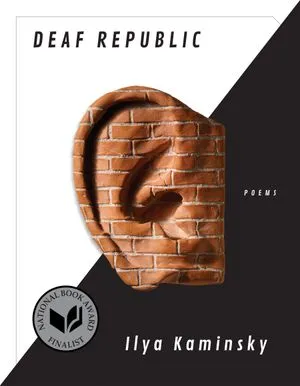
Deaf Republic by Ilya Kaminsky
Ilya Kaminsky was born in the former Soviet Union, and his background deeply informs his poetry. Deaf Republic is a long-form narrative poetry collection. The story begins during a protest when soldiers shoot a Deaf boy named Petya. After the rest of the protestors hear the gunshot, they realize they can’t hear anything else. They have all gone deaf. They begin using sign language to coordinate their resistance to the soldiers who occupy their country.
Whatever your favorite kind of book, there is sure to be something here for you. For more recommendations for the Read Harder Challenge, here are our picks for microhistories and books by Latine authors.
Get access to exclusive content and features with an All Access subscription on Book Riot. Unlimited members-only content The New Release Index, a powerful tool for finding your next favorite book Create your collections of booksJoin All Access to unlock members-only content
This content contains affiliate links. When you buy through these links, we may earn an affiliate commission.







 English (US) ·