
Aimee Nezhukumatathil is a poet and nonfiction author (World of Wonders: In Praise of Fireflies, Whale Sharks, and Other Astonishments). Her newest book is Night Owl: Poems, out today from Ecco. Below, she shares the connection between poetry and cultivating wonder.

For me, poetry doesn’t happen without attention. Turns out, being an observer, or a noticer, from being the new (brown) girl in (mostly white) schools most all my K-12 days paved the way for a lifetime of taking stock of the world around me. Noticing. Being curious about the planet and its various inhabitants. Honestly? I don’t know how else to be in this world. The beginnings of a poem start with an image, like say, a nectarine in June—the first stonefruit of the season chomped outdoors to unofficially herald in summer, or a skitter of a blue-tailed skink across my back porch, or even a tiny scream of Eastern bluebird babies from their nest box. The poet’s job is simply to stay with the moment a little longer than usual—to really look and notice until something unlocks or leaps in your memory or attention.
Night deepens this kind of attention. When the day’s noise fades, my senses prick awake, my heart beats a little closer to the surface of my skin. For my writing, darkness becomes a kind of invitation. It asks us to listen differently, sometimes even (and especially) when it makes us a little uncomfortable. I revise and revise. And I revise even more because I feel more layers to the writing gets revealed especially after dusk.
The nighttime world keeps offering small gifts, even in the face of so much injustice and destruction. My poems hope to gather those moments (while not ignoring the very real pain and suffering of so many lives) and set them gently before the reader. In this way—when I have my writing hat on—I feel like a crow, offering up a collection of tinsel, buttons, or a bit of a calico scallop shell on a gentle person’s windowsill.
Check Your Shelf
Sign up to receive Check Your Shelf, the Librarian’s One-Stop Shop For News, Book Lists, And More.
Wonder grows from learning the living world closely—the names of birds, plants, insects, tides. How can you not want to know more about the planet? Once you get to know the names of, say—roseate spoonbills, scotch bonnet shells, pitcher plants—I feel like wonder becomes contagious in that way. How can you not want to know more names? How can you settle for simply saying ‘bird’ or ‘tree’ in your poem or story without ever getting specific? Naming is recognition. It’s a way of engaging your reader. It’s a way of saying: I see you are there, and I want to share this world in my poem with you, that you may know it as fully as I can share it on the page.
A hummingbird hovering in place. The first stars of the night swimming overhead. A barred owl calling from the dark. Poetry can grow out of wondrous moments like these, especially for writers of color, who often get left out of writing discussions of the outdoors. What people might overlook about my work: wonder lives right alongside grief and worry. And rage. And no apologies, not anymore, anyway, because paying attention becomes a way of keeping the heart open. I don’t ever want to have a jaded and closed-up heart. I want a heart and a blank page in my notebook, both ready to be written on to remind us that amazement is available for everyone—especially when night arrives.
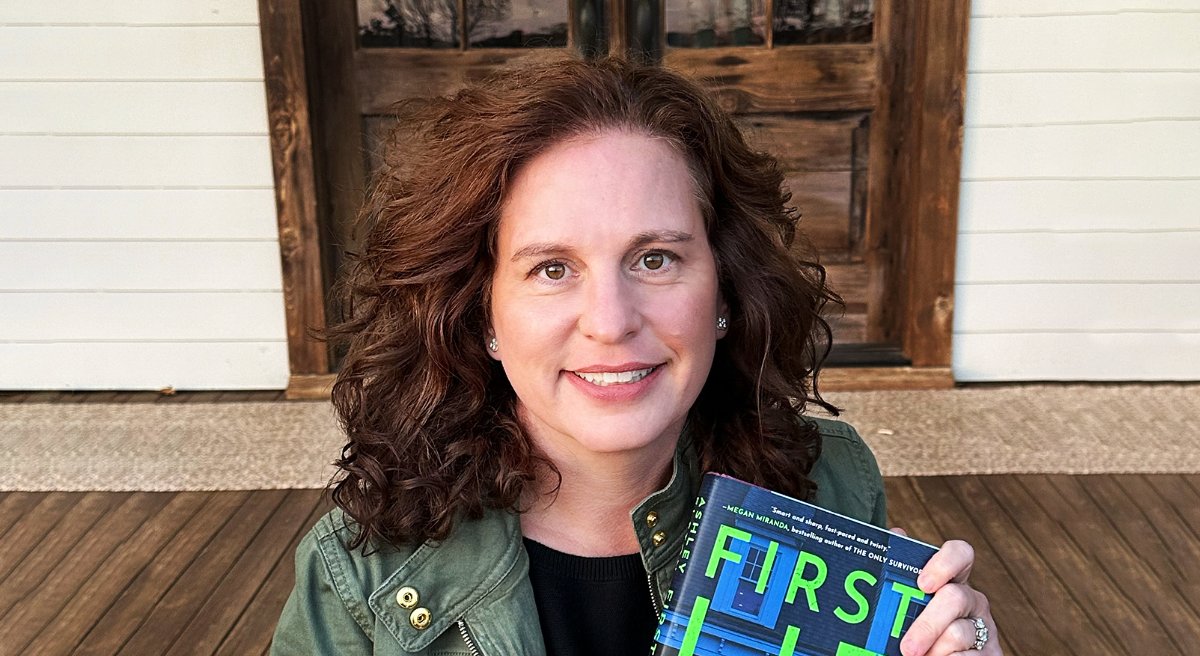
 photo credit: Dustin Parson









 English (US) ·