

For those who are less familiar with comics, the idea that comics can be nonfiction may be surprising. But it’s true: comics are a format rather than a genre, so they can tell both true and imagined stories through engaging art, dialogue, and design. There’s no limit to what comics can do. As comics have continued to grow in mainstream reading culture–including libraries and in schools–so, too, have the options available to us when it comes to nonfiction comics. Nonfiction comics can help break down complex ideas for readers. Nonfiction comics can explain things visually, which is especially beneficial for readers who prefer visual cues to understand.
But nonfiction comics can also be downright fun and innovative. They can include biographies and memoirs that share stories about and from real people living interesting lives. Nonfiction comics are ripe for broadening our horizons on so many topics. Among some of the most compelling nonfiction entries in recent years? The growth and expansion of graphic medicine, which explores various health and medical topics in a format that’s both accessible and, often, incredibly relatable for readers. It was Lucy Knisley’s Kid Gloves that helped me in the weeks after I gave birth, as she so accurately captured the horrors and mysteries surrounding postpartum preeclampsia.
It’s pedantic, but one thing that makes it challenging for new readers to discover the wondrous world of nonfiction comics is that many are referred to as graphic novels. Graphic novels is a term used interchangeably with comics, but the second word there, novel, suggests the content is fiction, rather than nonfiction. The term nonfiction comic is a bit more precise, but as you’ll see as you wander more deeply into the waters of this category and format, many works of nonfiction are given the label of “graphic novel.”
The 13th task for the 2026 Read Harder Challenge will challenge some readers with a new format and/or a new category of reading, and it’s also one that will absolutely delight newcomers and old-heads: read a nonfiction comic. Find below an array of nonfiction comics across categories, topics, and themes. They include nonfiction comics published for younger readers–and totally appropriate for adult readers–as well as a selection of memoirs, history, and more. This list is far from comprehensive. It’s meant to be a sampling platter, with both backlist picks and newer releases.

Amazons, Abolitionists, and Activists: A Graphic History of Women’s Fight For Their Rights by Mikki Kendall and A. D’Amico
This graphic primer is essential reading for understanding the fight for suffrage and women’s rights more broadly. Where so many books focus heavily on the work of white women, Kendall highlights women of color who made tremendous strides not only in the fight for the right to vote but also in labor, civil rights, LGBTQ rights, abolition, and more. An outstanding look at the past, present, and future of the rights of people of all genders.

Ducks: Two Years in the Oil Sands by Kate Beaton
Before Kate Beaton became a well-known and beloved comic creator, she was a young Canadian with a pile of student loans to pay off. Living in a small seaside town on the East Coast was great for many things, but it wasn’t going to help her make the payments quickly. That’s why Beaton decided to go west to the Alberta oil sands. This is her story of that experience, including the traumas surrounding such difficult work and the joys of connecting with other human beings.
All Access Members, your exclusive content begins below!
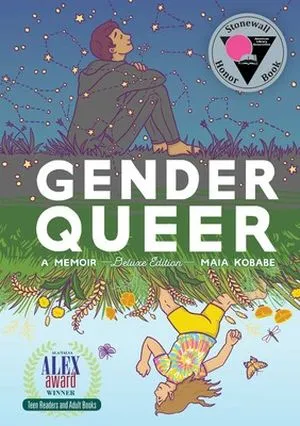
Gender Queer by Maia Kobabe
An incredible coming-of-gender and coming-of-age memoir from a writer and artist who perfectly captures adolescent confusion and fascination with what it is to understand emself and eir place in the world. Maia grew up never feeling like e fit into a gender box, and with exposure to more books, media, and fandoms offering perspectives on gender and identity, found eirself able to connect with one that fit finally.

Ginseng Roots by Craig Thompson
Thompson may be best known for his incredible autobiographical comic Blankets, but his second work of comic nonfiction shouldn’t be missed, either. Craig and his siblings spent their summers in rural Wisconsin weeding and harvesting American ginseng. It was tough work, and for their efforts, the kids each earned $1 an hour. While this is a story about that experience, it’s also a globe-spanning account of the history and trade of ginseng. It explores how industrialization changed the industry, as well as how and where 300 years of history connect Craig to ginseng hunters in China and more.

Globetrotters: Nellie Bly and Elizabeth Bisland’s World Tour: A Graphic Novel by Julian Voloj and Julie Rocheleau
Few topics captivate me more than reading about Nellie Bly. I know her story very well, and yet, no matter how many people write about it, I’m compelled to pick it up, and I’m never disappointed.
This is one of the few entries into the “cool things Nellie Bly did” oeuvre written by non-Americans, so it offers a different perspective on the story. It follows the race-around-the-globe stunt put on by rival newspapers, pitting their “girl reporters” against one another. Who would get around the globe fastest: Nellie, traveling from west to east, or Elizabeth Bisland, who was traveling east to west?
It’s a fascinating look at the race, but it’s an even more fascinating look at the where and how of publicity stunts, the era of newspaper giants, and two women who are trying to do their jobs the best they can because they understand the rare and precarious positions they’re in.

Halfway There: A Graphic Memoir of Self-Discovery by Christine Mari
Christine has never felt quite whole—she’s Japanese American, born in Tokyo but raised in the US—and now she’s spending a year living abroad in Tokyo in hopes of finding more of herself through the experience. It is not what she anticipates at all, though. Instead, Christine feels even more out of place in Tokyo and is not sure how to truly understand her two identities, even in the city where she was born. This memoir is about self-discovery, with a particular appeal to readers who are or enjoy reading about growing up between cultures and never feeling wholly one or the other. Halfway There looks like an excellent read-alike to two other works of nonfiction comics: Ay, Mija by Christine Suggs and I Was Their American Dream by Malaka Gahrib.

Hmong: A Graphic History by Vicky Lyfoung, translated by Kao-Ly Yang
Lyfoung tells the history of the Hmong people through the lens of her own family history. It’s a story of an ethnic group that has long been oppressed but has continued to preserve its vibrant culture and traditions. This is a work of graphic nonfiction, so you’ll get to experience the Hmong story visually.

Hyperbole and a Half by Allie Brosh
Let’s not forget that nonfiction comics can be funny. Whether you know Brosh or not, her collection of slice-of-life comics delivers on laughs while simultaneously being honest and real about what it is to struggle with your mental health and wellbeing.

Let’s Make Ramen! by Hugh Amano and Sarah Becan
If you haven’t considered how cookbooks could make great comics, let me introduce you to the “Let’s Make” series. This particular entry is focused on making ramen, but there’s a host of other options for learning how to really cook through the comics medium. These are both fun and extremely educational.

March: Book One by John Lewis, Andrew Aydin, and Nate Powell
The first in a graphic memoir trilogy, the story follows John Lewis’s life and legacy. This volume takes a look at his younger years, and it is a powerful exploration of race, civil rights, and what — and why — nonviolent resistance matters.

Sensory: Life on the Spectrum: An Autistic Comics Anthology edited by Bex Ollerton
There are surprisingly few comics that center the neurodivergent experience, but this one is such a fantastic title. It’s an anthology, inviting a range of creatives to share what it is to live with autism. There are 30 (!) different perspectives here, showcasing just how unique autism can be for every person. The art is vibrant, and the stories are vulnerable, touching, and, for so many readers, incredibly relatable.
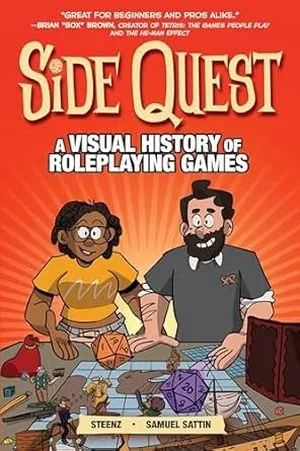
Side Quest: A Visual History of Roleplaying Games by Samuel Sattin, illustrated by Steenz
Side Quest is a mixture of history, memoir, and fantasy, as it follows the little-known history of roleplaying games through the actual playing of such games by the author and illustrator of the book. It’s not only meant to be enlightening and entertaining but it’s meant to be a gentle introduction for readers who’ve never played a tabletop game before or felt intimidated by the culture surrounding TTRPG—while also being a book that long-time fans of TTRPGs will nerd out to because of how much they’re learning and experiencing right along with the book’s creators.
Get access to exclusive content and features with an All Access subscription on Book Riot. Unlimited members-only content The New Release Index, a powerful tool for finding your next favorite book Create and share your collections of booksJoin All Access to unlock members-only content
This content contains affiliate links. When you buy through these links, we may earn an affiliate commission.










 English (US) ·