
On a muggy morning in late July, when tens of thousands of protesters thronged to central New Delhi to head toward parliament, they seemed to already have a sense that their march might be historic. Most were students and young graduates, many of whom had traveled from towns hundreds of miles away to attend their very first protest. As I squeezed through the crowd I saw posters with cartoons of a bespectacled, mustached man accompanied by varied fonts spelling the word RESIGN—a reference to the rally’s central demand that India’s education minister, Dharmendra Pradhan, step down after presiding over a disastrous exam-paper leak. But nearly as common were portraits of revolutionaries from the Indian independence struggle: M.K. Gandhi, the Dalit leader B.R. Ambedkar, and, most ubiquitous that day, Bhagat Singh.Born in 1907 in Banga (in present-day Pakistan), Singh became an anticolonial militant in 1928, when the seven-member Indian Statutory Commission—popularly known as the “Simon Commission” after its chief, John Simon—arrived in India to assess conditions for constitutional reforms. As it moved from city to city across the colony, the commission, which had no Indian members, was ...
Related

Historical Romance, Grumpy/Sunshine, & More
12 hours ago
6

Making Light of a Dark Past
15 hours ago
5

5 Nerdy Romance Novels
17 hours ago
5

ABBREVIATED MINOR
21 hours ago
9
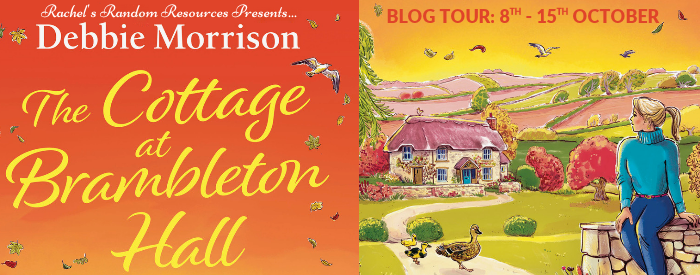
The Cottage at Brambleton Hall Blog Tour
23 hours ago
9

The Mistletoe Baby Blog Tour
23 hours ago
10

Links: Nature, Beverly Jenkins, & More
1 day ago
12

Tarot After Dark: A Message from the Ancestors
1 day ago
13
Popular

The Heir’s Beloved Blog Tour
2 weeks ago
249

Book of the Month October 2026 Selections
2 weeks ago
162


October 2026 Queer Romances
1 week ago
90

‘Writing on One Table’
4 weeks ago
76

The Virtuoso of Repetition
2 weeks ago
69

MAZYWOOD
3 weeks ago
63
Links: Dolly, Barbara, & More
4 weeks ago
59
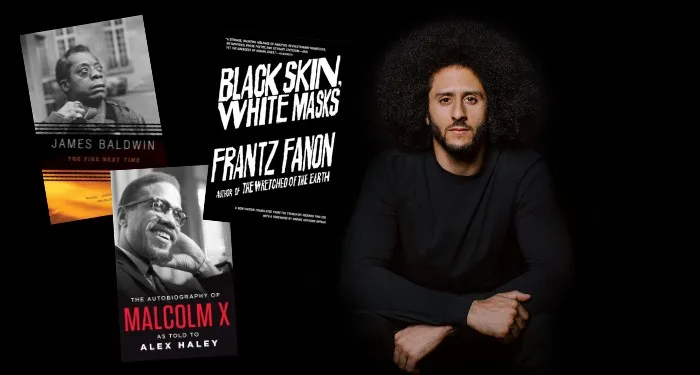
Colin Kaepernick on the Books that Changed his Life
3 weeks ago
59

Mother Country
4 weeks ago
58
 English (US) ·
 © Clint's Books 2026. All rights are reserved
