
It was a time when fragments, lost poems, and early pages of unfinished manuscripts mattered. In 1938 the poet Antonio Machado, his mother, and his brother made their way from Spain to France to escape Franco’s advancing fascist forces. When Machado died in February 1939 in Collioure, his brother found in his pocket the first line of his last poem: “Those blue days, this childhood sun.”In 1942, when the poet Miguel Hernández died in prison, where he had languished after the Spanish Civil War, he left a body of work that was later published as Cancionero y romancero de ausencias (Songs and Ballads of Absence, 1958). Some of his best-known poems were written on scraps of paper.The most famous among these poets was Federico García Lorca, who was murdered by fascist soldiers near Granada in the south of Spain in August 1936. Lorca left much unpublished and half-finished work, both poems and plays. “The state of his manuscripts,” Leslie Stainton writes in Lorca: A Dream of Life (1999), demonstrates the extent to which the act and art of creation were a part of his everyday life. He wrote poems on invitations to tea, royalty statements, envelopes, and drawings…. [He] wrote plays on the b...
Related

Historical Romance, Grumpy/Sunshine, & More
11 hours ago
6

5 Nerdy Romance Novels
16 hours ago
5

ABBREVIATED MINOR
20 hours ago
9
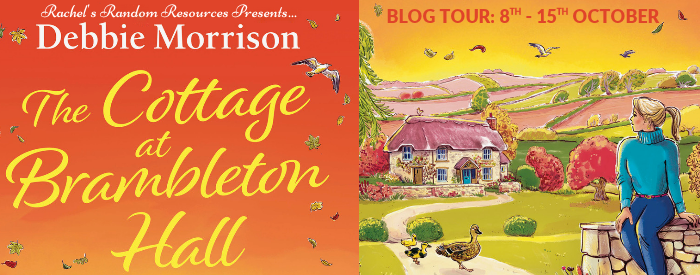
The Cottage at Brambleton Hall Blog Tour
22 hours ago
8

The Mistletoe Baby Blog Tour
22 hours ago
9

Links: Nature, Beverly Jenkins, & More
1 day ago
12
Tarot After Dark: A Message from the Ancestors
1 day ago
13

4 Perfect Queer Romance Graphic Novels
2 days ago
15
Popular
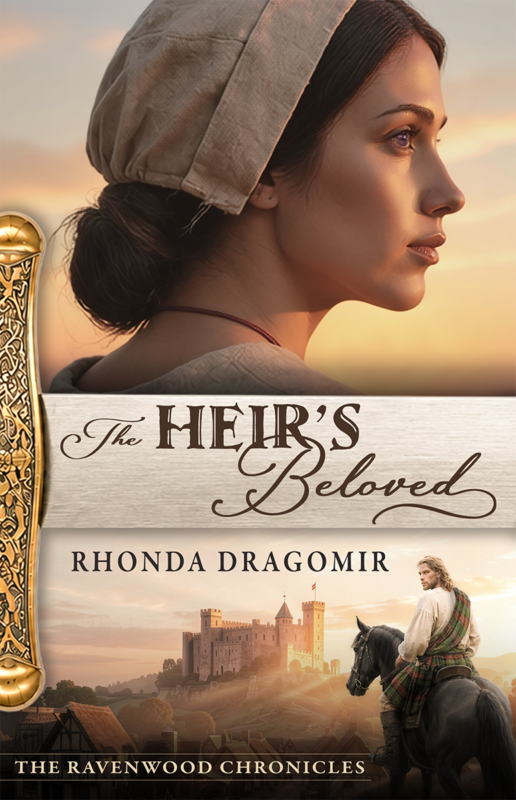
The Heir’s Beloved Blog Tour
2 weeks ago
248

Book of the Month October 2026 Selections
2 weeks ago
161


October 2026 Queer Romances
1 week ago
90

‘Writing on One Table’
4 weeks ago
76

The Virtuoso of Repetition
2 weeks ago
69

MAZYWOOD
3 weeks ago
63
Links: Dolly, Barbara, & More
4 weeks ago
59
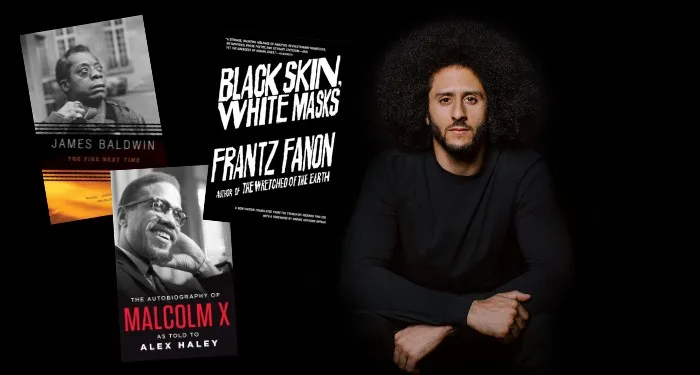
Colin Kaepernick on the Books that Changed his Life
3 weeks ago
59

Mother Country
4 weeks ago
58
 English (US) ·
 © Clint's Books 2026. All rights are reserved
