
For two centuries socialism—a term first used by the French political economist Pierre Leroux—has been both a critique of capitalism and an alternative to it. In the United States, it has proved far more influential as the first than as the second. Before a joint session of Congress in 1825, Robert Owen, a wealthy, altruistic factory owner, condemned “this inferior trading system” (that is, capitalism) for allowing people “to obtain advantages over others” and giving “a very injurious surplus of wealth and power to the few” while inflicting “poverty and subjection on the many.” But nearly every agrarian collectivist colony he inspired across the country scattered to the winds after just a few years.A socialist movement composed largely of wage earners sprang up toward the end of the nineteenth century. It effectively denounced the robber barons of industry and finance for ruling the economy, busting unions, and buying off politicians. But Marxists who dreamed of a workers’ republic could not compete with the reformers in Congress who enacted such measures as a progressive income tax, antitrust legislation, and a ban on child labor. Skillful organizers who belonged to the Communist ...
Related

Sally Rooney is Pulling Her Books From UK
11 hours ago
5

Out from Underground
14 hours ago
6

Burning Bright, for Now
14 hours ago
5

The Sheer Size of It All
14 hours ago
6

A City All His Own
14 hours ago
6

Mapping Mississippi White
14 hours ago
5

Yemen: The Endless Siege
14 hours ago
7

Monster Mash: 4 Monster Picture Books
16 hours ago
5
Popular

The Heir’s Beloved Blog Tour
2 weeks ago
248

Book of the Month October 2026 Selections
2 weeks ago
161


October 2026 Queer Romances
1 week ago
90

‘Writing on One Table’
4 weeks ago
76

The Virtuoso of Repetition
2 weeks ago
69

MAZYWOOD
3 weeks ago
63

Links: Dolly, Barbara, & More
4 weeks ago
59
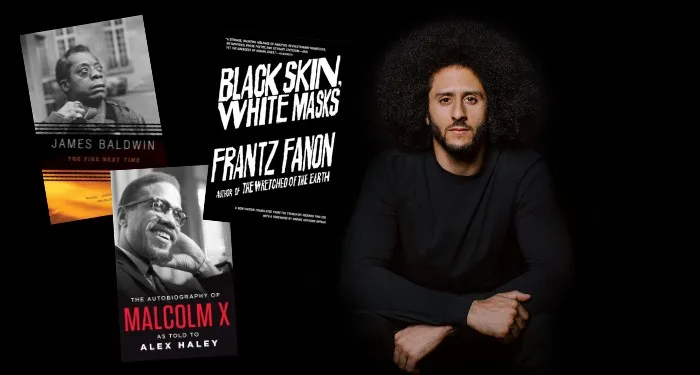
Colin Kaepernick on the Books that Changed his Life
3 weeks ago
59

Mother Country
4 weeks ago
58
 English (US) ·
 © Clint's Books 2026. All rights are reserved
