
Oleksandr Dovzhenko was a connoisseur of clouds. In many of his shots, the big sky of Ukraine’s fields and steppe swallows the frame. When tiny human forms emerge upward into the heavens, they come as a surprise. As they grow they become monumental, often viewed from below. This is a fairly standard technique in Soviet visual art, which had a mandate to make workers look like heroes. But Dovzhenko goes a step further by making his characters look less like statues than like natural features, the wrinkles on their faces as noble as riverbeds.Earth (1930), Dovzhenko’s silent masterpiece, is not only a celebration of agricultural collectivization—a predictable assignment for a filmmaker working at a Soviet studio—but an ode to the cycles of life, which resist the linear logic of Stalinist industrialization. In the opening scene, an old man eats a pear, smiles, and expires under a fruit tree; a beautiful death. His grandson Vasyl, a strapping young peasant, the hero of the collectivization effort, brings in the village’s first tractor to great fanfare, but it stalls on the road. He and his friends solve the problem of an overheated radiator by taking turns pissing into it. Dovzhenko fi...
Related

Last Night Was Killer by Mary Pauline Lowry
13 hours ago
3

THE PHANTOM REFLEX
17 hours ago
2
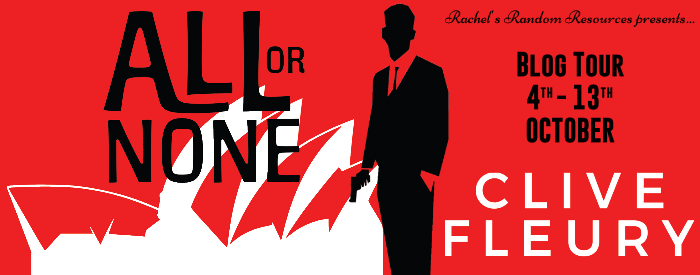
All Or None Blog Tour
19 hours ago
2

Friday Videos Like Tasks
1 day ago
6

Boo Who?: New Ghost Stories for Kids
2 days ago
11

Books that Celebrate Complicated Women
2 days ago
11

The Stuff Nobody Tells You by Jakob de Villiers III
3 days ago
15

Horror About Feminine Rage
3 days ago
14
Popular

The Heir’s Beloved Blog Tour
1 week ago
150

Book of the Month October 2026 Selections
1 week ago
109


‘Writing on One Table’
3 weeks ago
61


New Graphic Novels for Hispanic Heritage Month
4 weeks ago
56

Andy the Admiral Book Tour
4 weeks ago
55

MAZYWOOD
2 weeks ago
53


Mother Country
3 weeks ago
52
 English (US) ·
 © Clint's Books 2026. All rights are reserved
